Male and Female Pattern Hair Loss in Lynn, MA

D&A Esthetics Med Spa

Slowing the Progression and Regrowing What Has Been Lost

Male and female pattern hair loss in Lynn, MA, is treated with PDGF scalp microneedling and PRFM injections, with most patients stabilizing active loss and achieving meaningful improvement in density after a 3- to 6-session series. Pattern hair loss is a long-term condition requiring a long-term commitment to treatment, and early intervention consistently produces better outcomes than waiting until the loss is advanced. The earlier a patient begins, the more follicles are still active and treatable.

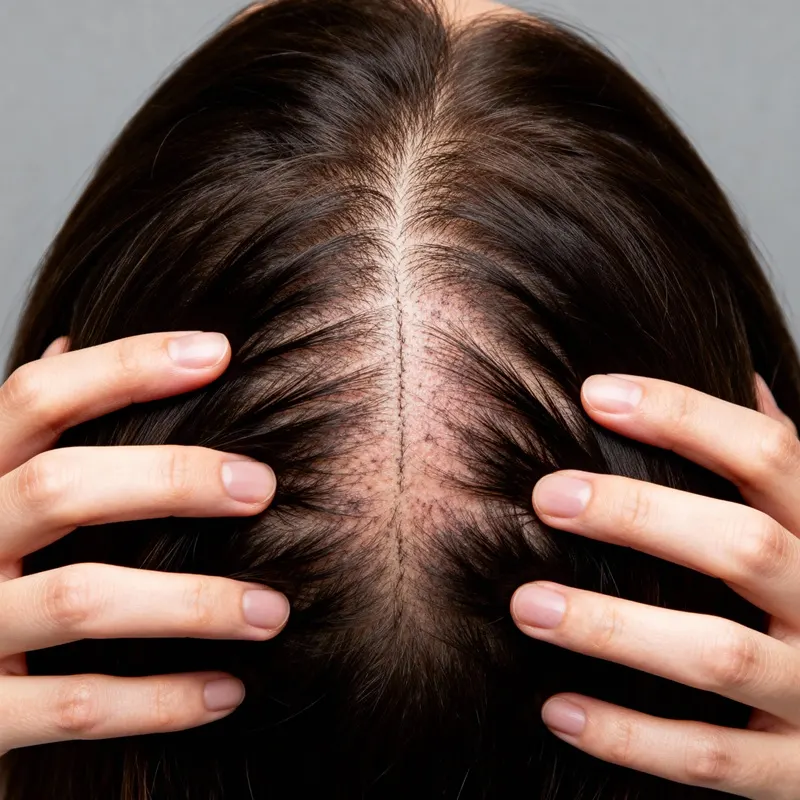
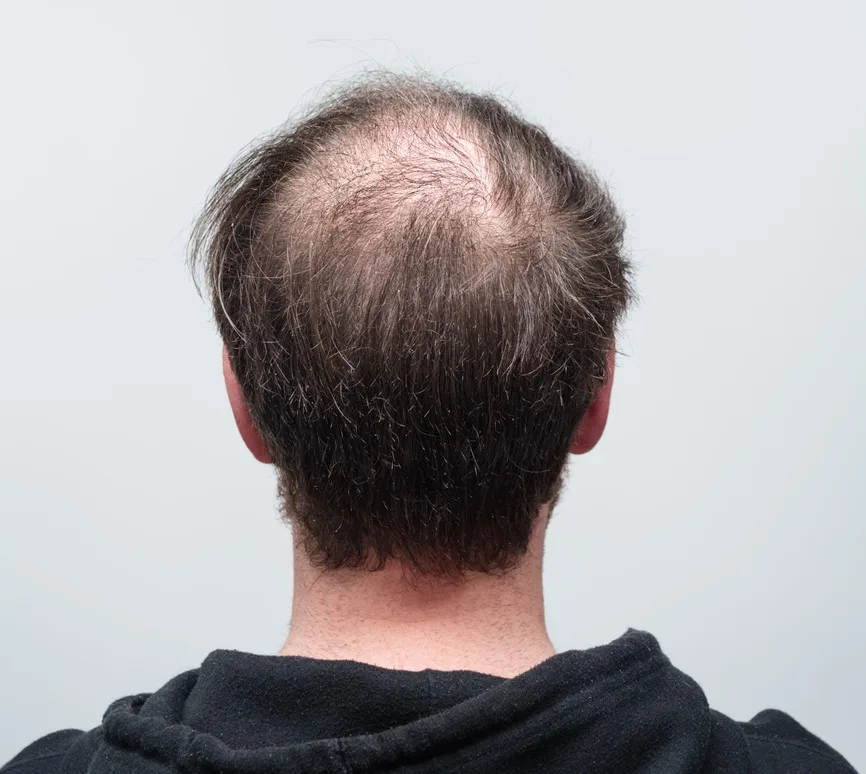
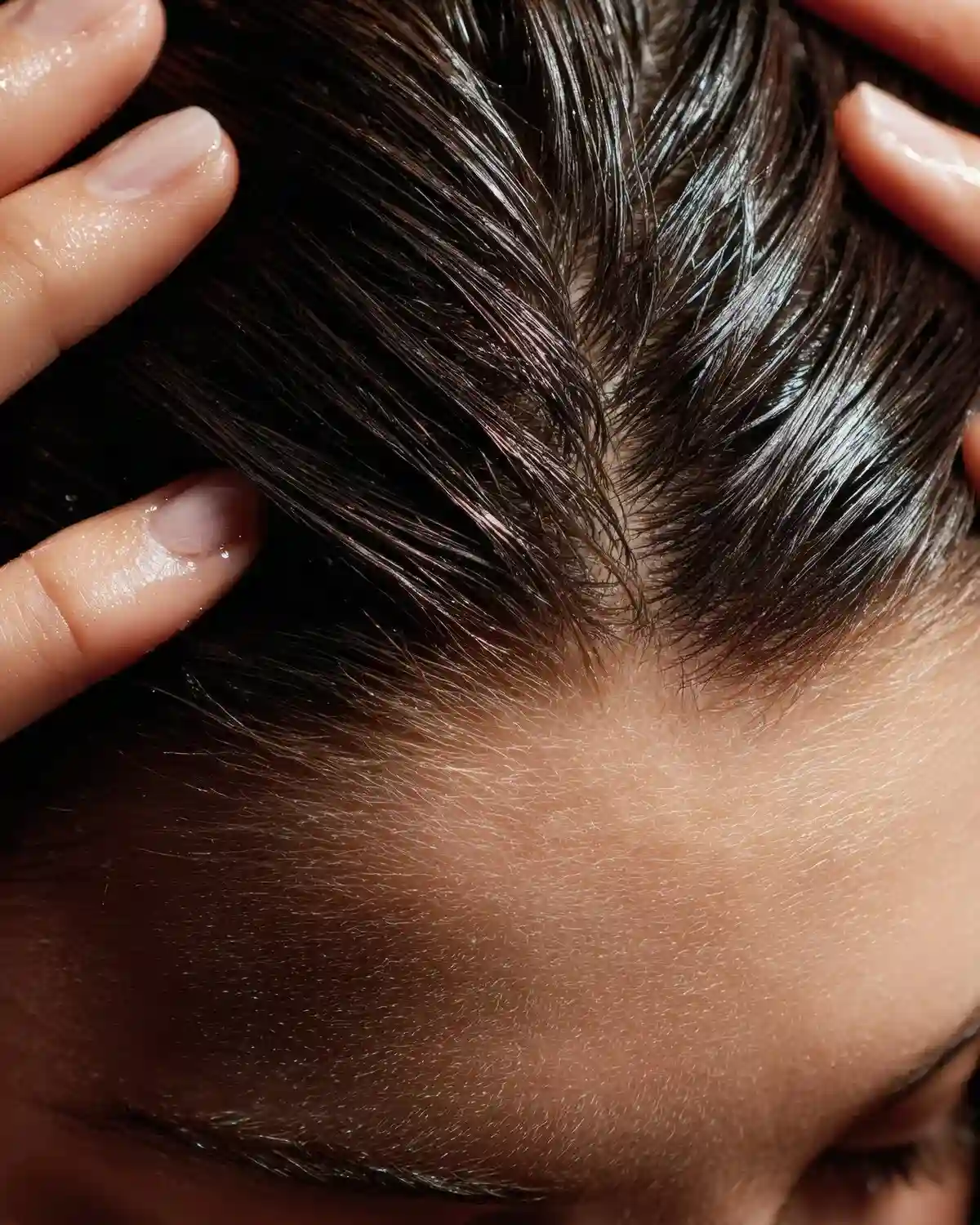
At D&A Esthetics Med Spa, we assess each patient’s stage of androgenetic alopecia at consultation using the Norwood scale (men) and Ludwig scale (women) before recommending any treatment. Thinning crown , receding temple , and scalp visibility driven by genetic pattern loss require a different protocol than diffuse shedding from a correctable cause, and managing expectations honestly from the start is part of how we work. We serve patients from throughout Lynn and the broader North Shore.


D&A Esthetics Med Spa

What Causes Pattern Hair Loss?

Androgenetic alopecia is caused by the effect of dihydrotestosterone (DHT) on genetically susceptible hair follicles. DHT binds to androgen receptors in the follicle, progressively miniaturizing the hair shaft over multiple cycles until the follicle eventually becomes dormant. In men, this produces the classic Norwood progression: a receding temple at the frontal hairline, thinning of the crown at the vertex, and eventual confluence of both areas. In women, androgenetic alopecia more commonly produces diffuse thinning of the crown and widening of the central parting (Ludwig scale), typically without the hairline regression seen in men. The genetic predisposition is polygenic and can be inherited from either parent.

D&A Esthetics Med Spa

Signs of Pattern Hair Loss

How D&A Esthetics Treats Pattern Hair Loss

We assess the Norwood or Ludwig stage at consultation and establish realistic goals based on the degree of existing loss and the age of the follicles in the affected area. Long-term commitment to treatment is required: androgenetic alopecia is a progressive condition, and in-clinic treatment slows progression and supports regrowth while follicles are still active.

PDGF Scalp Microneedling

PDGF scalp microneedling creates microchannels in the scalp that stimulate blood flow, collagen remodeling, and direct delivery of follicular growth factors. PDGF extends the anagen phase, reduces the rate of follicle miniaturization, and improves thinning crown density over a series of sessions. It is most effective when follicles are miniaturizing but still active, making early intervention in scalp visibility and progressive loss more productive than waiting.

PRFM Scalp Injections (Platelet-Rich Fibrin Matrix)

PRFM injections deliver concentrated growth factors directly into the scalp in areas of hairline regression, receding temples, and thinning crowns. The fibrin matrix provides sustained release of growth factors over several days, extending the stimulation window beyond what standard PRP provides. PRFM is particularly well-suited for the vertex and crown areas of androgenetic alopecia , where follicle miniaturization is most active.

Medical Management (Minoxidil, Finasteride, Spironolactone)

In-clinic scalp treatment produces the best results when combined with medical management. Minoxidil (topical and oral) extends the anagen phase and improves follicular blood flow. Finasteride (for men) inhibits DHT production and slows the progressive hair loss on the temples and thinning of the crown due to hormonal causes. Spironolactone is a common choice for women with androgen-driven alopecia . These are available through your primary care provider or a hair loss specialist; we coordinate our in-clinic protocol around any medical management already in place.

D&A Esthetics Med Spa

Who Is This For?

Why This Matters in Lynn, MA

Hair loss in a community as diverse as Lynn spans every ethnic background, skin tone, and hair texture, and the presentation of androgenetic alopecia varies across this range. Among Lynn’s significant Southeast Asian, African, and Hispanic communities, thinning of the crown and scalp may follow patterns that differ from the classic Norwood progression but are equally treatable with early, appropriate intervention. For the large proportion of Lynn adults who commute daily into Boston’s professional and public service sectors, hairline regression and progressive loss carry real personal and professional confidence implications.

The most important message for any patient presenting with early receding temples or thinning crowns is that the window for effective in-clinic treatment is now open, and waiting consistently narrows the response. Every consultation here includes honest staging and realistic communication of outcomes. D&A Esthetics Med Spa is accessible from Lynn Station on the Newburyport/Rockport MBTA commuter rail, approximately 28 minutes from Boston’s North Station.


Frequently Asked Questions

Can pattern hair loss be reversed?

Miniaturized but still-active follicles can be rehabilitated and produce thicker, healthier hair with effective treatment. Fully dormant follicles cannot be restored without hair transplant surgery. This is why early intervention in progressive loss produces better outcomes: the more follicles that are still active when treatment begins, the more total recovery is achievable. In-clinic treatment combined with medical management (minoxidil, finasteride) consistently produces better results than either approach alone.

Initial reduction in shedding is often the first sign of response, typically visible after 2 to 3 sessions. New growth and improvement in thinning crown density become visible at 3 to 6 months. Hair growth is slow; the full benefit of a treatment series is not apparent until 6 to 12 months after it begins.

Yes. Follicles that have been dormant for many years (typically visible as areas where there is no hair shaft at all, not even fine miniaturized hair) are unlikely to respond to non-surgical treatment. At your consultation, we assess the Norwood/Ludwig stage and the apparent follicular activity in the affected zone to provide an honest assessment of the expected response.

Schedule Your Pattern Hair Loss Consultation

Thinning crown, receding temple , and androgenetic alopecia respond to treatment when addressed early. At D&A Esthetics Med Spa in Lynn, MA, we combine honest staging with the most effective non-surgical approaches available. Book your pattern hair loss consultation today.

HAVE ANY QUESTIONS?

Let’s Get in Touch!

The D&A Difference

We Look Forward to Welcoming You.

Whether it’s your first visit or not, we want you to feel comfortable from the moment you walk in. Our team takes the time to listen, answer your questions, and help you choose treatments that feel right for you.

Booking is easy and available online anytime. Browse our services and choose what fits your needs, whether it’s wrinkle relaxers, dermal fillers, facials, laser hair removal, or something more customized. If you’re unsure where to start, we’re here to guide you.

Join Our Newsletter

Subscribe for special offers, discounts, and spa updates
Need an appointment? Call Us!

Inquire Today

Call Now Button