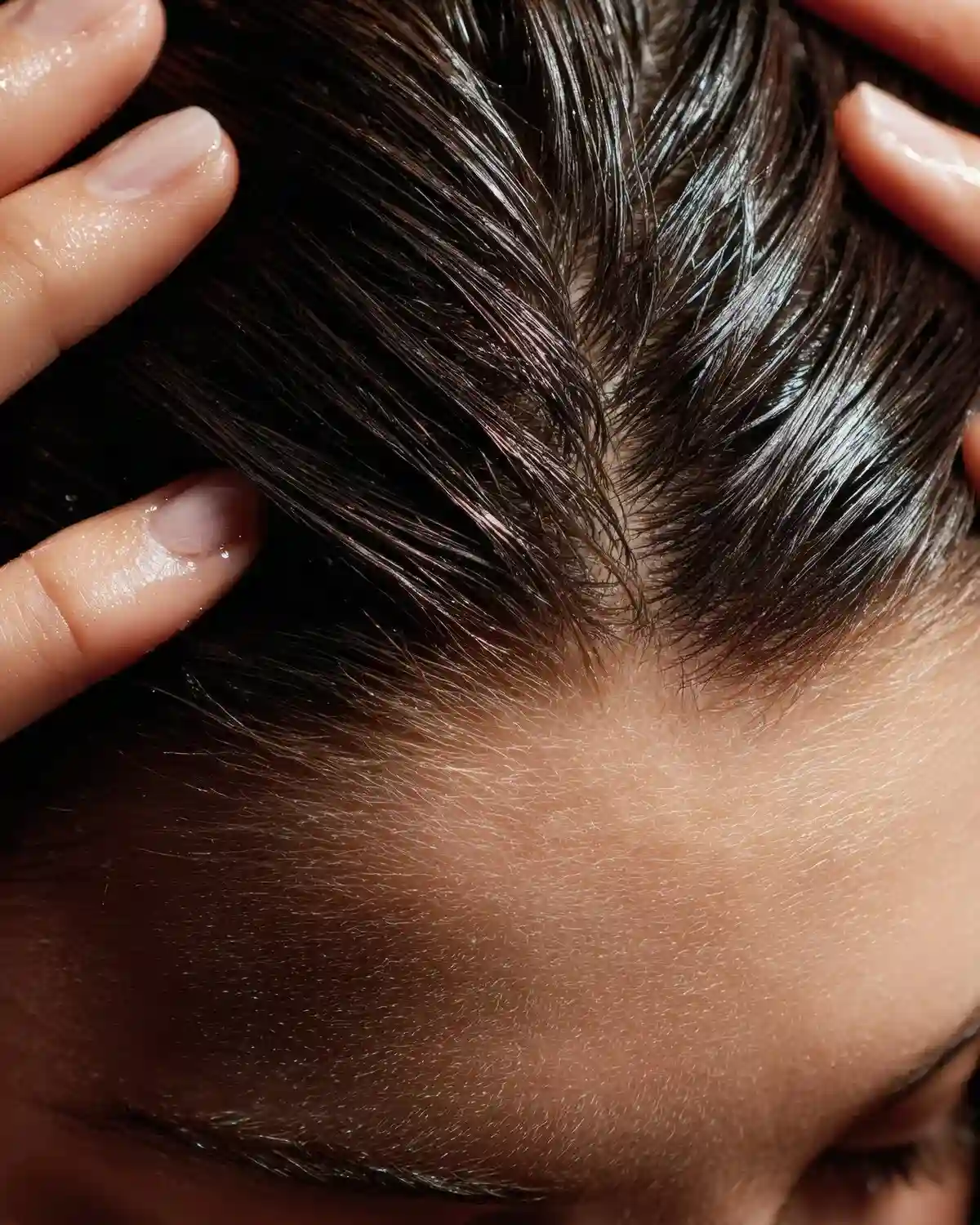
Receding Hairline in Lynn, MA

D&A Esthetics Med Spa

Addressing Frontal Hair Loss Early, When It Responds Best

D&A Esthetics Med Spa treats receding hairlines in Lynn, MA, using PDGF scalp microneedling and PRFM injections, with baseline photographs taken at every consultation to document progression and track treatment response. The frontal hairline is where hair loss becomes most immediately visible, and for many patients, temple recession and hairline thinning are the first signs that androgenetic alopecia has begun its progression. Acting early, while follicles along the hairline are miniaturizing but still active, consistently produces better outcomes than waiting until hairline recession has progressed significantly.

We treat frontal hair loss, M-shaped hairline development, and temple recession with a direct scalp intervention protocol that targets hairline follicles. Hairline restoration through non-surgical means is most effective when follicles are still present and responding, and we are transparent about when surgical consultation represents the better path for patients with advanced early baldness or significant hairline regression. We serve patients from throughout Lynn and the broader North Shore.

D&A Esthetics Med Spa

What Causes a Receding Hairline?

The frontal and temporal hairline is among the areas most sensitive to DHT (dihydrotestosterone), the androgen responsible for pattern hair loss. In men, temple recession typically begins in the late teens or early 20s, producing the classic M-shaped hairline as the bilateral frontal angles recede before the central forelock. In women, hairline thinning is less common than crown thinning but does occur, particularly in androgenetic alopecia patterns involving the frontal scalp. Traction alopecia from tight hairstyles is another significant cause of frontal hair loss along the hairline, especially in patients with chemically processed or heavily styled hair.

D&A Esthetics Med Spa

Signs of Hairline Recession

Temple recession that has moved the hairline back from its original position at the lateral corners

Development of an M-shaped hairline as the frontal angles recede, while the central forelock is maintained

Hairline thinning along the frontal border that makes the hairline look indistinct rather than defined

Frontal hair loss that is visible in direct or overhead lighting and noticeable in photographs

Early baldness progression that has continued consistently over the past year or more

A visible hairline restoration gap between where the hairline used to be and where it now sits

How D&A Esthetics Treats Receding Hairlines

Baseline photographs are taken at every consultation to document the current hairline position and objectively track treatment response. We assess whether the hairline follicles are still active (miniaturized but present) or fully dormant, which determines whether non-surgical in-clinic treatment is likely to produce a meaningful response.

PDGF Scalp Microneedling (Hairline Zone)

PDGF scalp microneedling applied specifically along the hairline and temporal zones delivers growth factor stimulation directly to the temple recession and frontal hair loss areas. PDGF extends the anagen growth phase in miniaturized follicles, improves follicular blood supply, and supports thickening of hairline thinning over a series of sessions. It is most effective for patients in the early stages of M-shaped hairline development when follicles are still present and responsive.

PRFM Scalp Injections (Platelet-Rich Fibrin Matrix)

PRFM injections deliver a concentrated, sustained release of growth factors specifically into the frontal hairline and temple areas affected by hairline thinning and temple recession. The fibrin matrix holds the growth factors at the injection site longer than liquid PRP, providing extended follicular stimulation. For patients with early frontal hair loss and visible but still-active follicles, PRFM produces the most consistent non-surgical improvement in hairline density.

Medical Management and Combination Approach

Minoxidil applied to the hairline and finasteride (for men), which inhibit DHT systemically, are the most clinically validated medical approaches to slowing temple recession and M-shaped hairline progression. These are available through your primary care provider or a hair loss specialist. We coordinate our in-clinic protocol around any medical management already in place and document progress from the same baseline photographs at every appointment. For patients with advanced early baldness or significant hairline regression where in-clinic treatment is unlikely to produce an adequate response, surgical assessment (FUE hair transplant consultation) represents the more appropriate next step, and we make those referrals clearly and without delay.

D&A Esthetics Med Spa

Who Is This For?

Why This Matters in Lynn, MA

Hair loss visibility is a daily experience for many professionals in Lynn’s commuter community, where the MBTA commuter rail from Lynn Station to Boston’s North Station brings patients face-to-face with colleagues, clients, and professional contacts every weekday. Temple recession and M-shaped hairline development are among the most immediately noticeable aesthetic changes in men, and hairline thinning carries significant confidence implications for women experiencing it.
In Lynn’s diverse community, including large numbers of patients from Southeast Asian, African, Caribbean, and Hispanic backgrounds, frontal hair loss patterns and temple recession can develop earlier or present differently than in populations of Northern European descent, and treatment protocols need to be matched accordingly. The critical message we communicate at every hairline consultation is timing: the window for effective non-surgical hairline restoration closes as follicles become fully dormant, and patients who act at the first signs of thinning consistently do better than those who wait.

Frequently Asked Questions

Can a receded hairline grow back?

Miniaturized but still-active follicles along the hairline can produce thicker hair with effective treatment. Fully dormant follicles, where no visible hair shaft (even fine or vellus) remains, typically require surgical hair restoration for meaningful density recovery. At your consultation, we assess the hairline zone to determine the likely response to non-surgical treatment.

Reduction in active hairline thinning and improved strand thickness are typically the first signs of response, often visible after 2 to 3 sessions. Visible improvement in hairline density from new anagen hairs developing through a full growth cycle takes 3 to 6 months, and the full response of a treatment series is often not complete until 9 to 12 months after beginning.

No significant downtime. Mild scalp redness and sensitivity for 24 to 48 hours after microneedling or injection sessions is normal. Most patients return to work and their regular routine the same day or the following morning.

Schedule Your Hairline Consultation

Temple recession, frontal hair loss, and M-shaped hairline development respond to non-surgical treatment when addressed early. At D&A Esthetics Med Spa in Lynn, MA, every hairline consultation begins with honest baseline documentation and realistic goals. Book your hairline consultation today.

HAVE ANY QUESTIONS?

Let’s Get in Touch!

The D&A Difference

We Look Forward to Welcoming You.

Whether it’s your first visit or not, we want you to feel comfortable from the moment you walk in. Our team takes the time to listen, answer your questions, and help you choose treatments that feel right for you.

Booking is easy and available online anytime. Browse our services and choose what fits your needs, whether it’s wrinkle relaxers, dermal fillers, facials, laser hair removal, or something more customized. If you’re unsure where to start, we’re here to guide you.


Join Our Newsletter

Subscribe for special offers, discounts, and spa updates
Need an appointment? Call Us!

Inquire Today

Call Now Button