Postpartum Hair Loss in Lynn, MA

D&A Esthetics Med Spa

Understanding and Treating Hair Loss After Pregnancy

D&A Esthetics Med Spa treats postpartum hair loss in Lynn, MA, using PDGF scalp microneedling and PRFM injections, with a full assessment of ferritin and thyroid levels recommended before beginning treatment. Most cases of postpartum hair shedding are telogen effluvium, which resolves naturally within 6 to 12 months of delivery. However, for patients experiencing prolonged or severe postpartum thinning, in-clinic scalp treatment alongside nutritional optimization can meaningfully accelerate recovery. Knowing the expected timeline is as important as knowing the treatment options.
We treat postpartum thinning, shedding after pregnancy, and telogen effluvium with clinical honesty first: most new mothers will recover without aggressive intervention, and setting that expectation correctly is part of every postpartum hair consultation we conduct. For patients whose hormonal hair loss and postpartum hair fall are prolonged or severe, or who present with signs of nutritional deficiency or thyroid dysfunction, targeted treatment can make a meaningful difference. We serve patients from throughout Lynn and the broader North Shore.

D&A Esthetics Med Spa

What Causes Postpartum Hair Loss?

During pregnancy, elevated estrogen levels extend the anagen (growth) phase of the hair cycle, which is why many women notice thicker, fuller hair during the second and third trimesters. After delivery, estrogen levels drop sharply, triggering a mass transition of follicles into the telogen (resting and shedding) phase. The result is increased hair fall after childbirth, typically beginning 2 to 4 months after delivery and peaking around 3 to 6 months postpartum. This is telogen effluvium: a temporary, physiological response to the hormonal shift of delivery, not a permanent hair loss condition. Childbirth hair shedding usually resolves on its own by 12 months postpartum. When it does not, underlying factors, including iron deficiency, low ferritin, thyroid dysfunction, or ongoing nutritional depletion from breastfeeding, are typically involved.


D&A Esthetics Med Spa

Signs of Postpartum Hair Loss

Increased hair fall after childbirth that began 2 to 4 months after delivery and is noticeably above your pre-pregnancy baseline

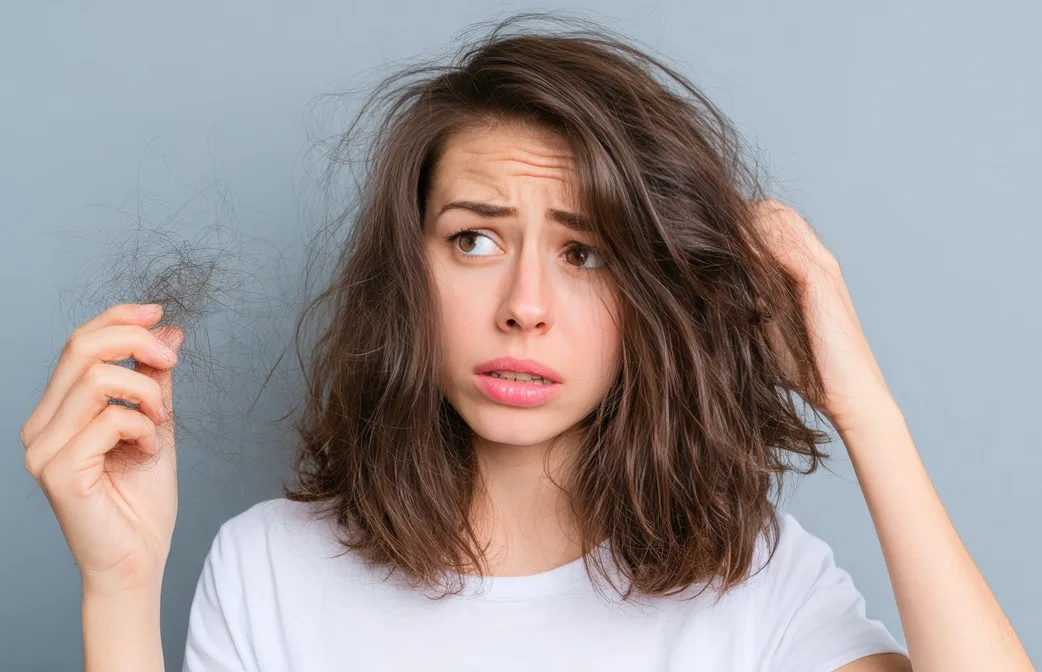
New mother hair fall is visible in large amounts in the shower, on brushes, or on clothing and surfaces

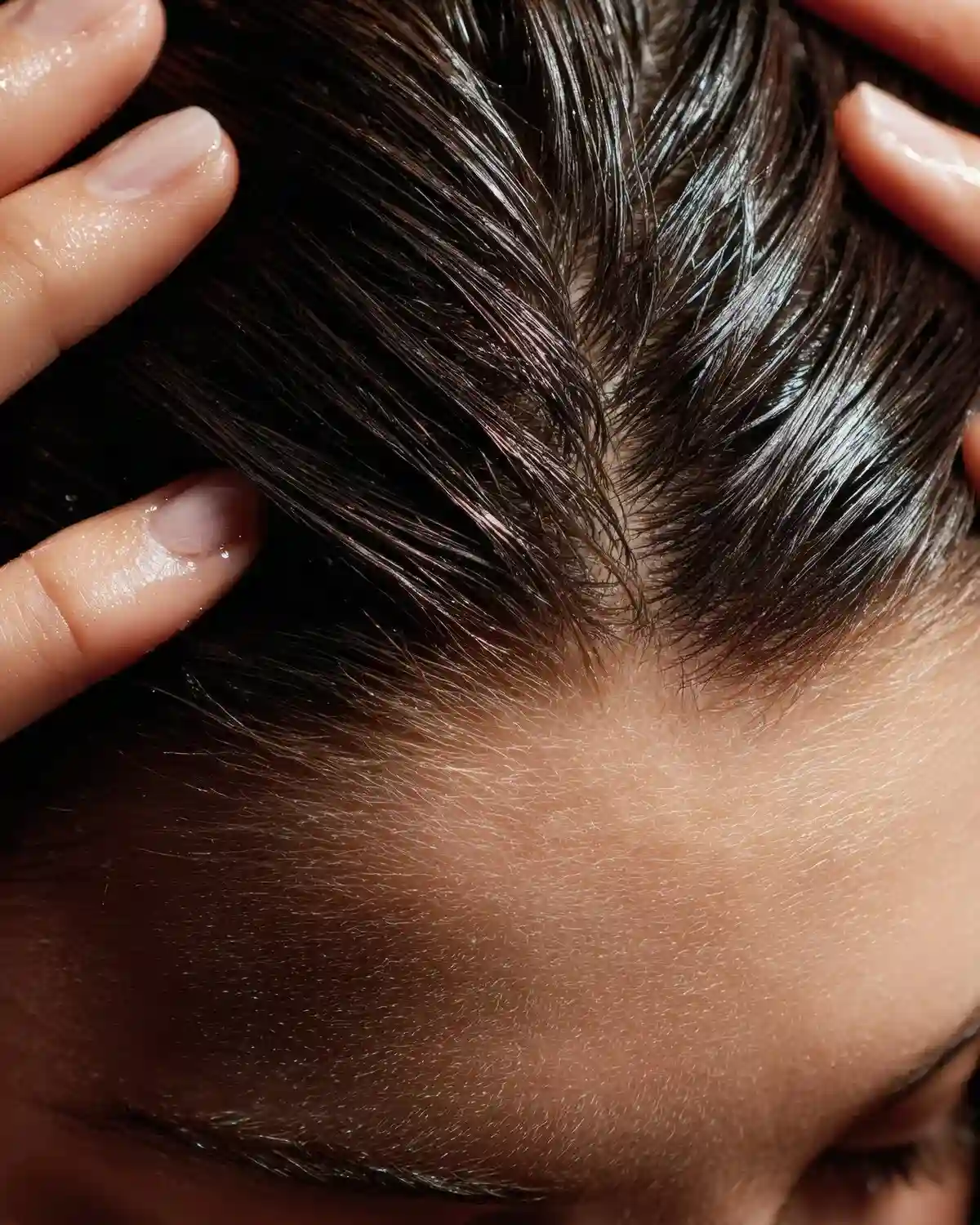
Postpartum thinning that has progressed to visible telogen effluvium at the temples, crown, or overall scalp

Hormonal hair loss that has continued beyond 6 months postpartum without significant improvement

Childbirth hair shedding that appears to be accelerating rather than tapering off

New short regrowth hairs (baby hairs) are visible at the hairline, which is a positive sign of hair cycle recovery

How D&A Esthetics Treats Postpartum Hair Loss

We begin every postpartum hair consultation with a reassurance-first framework: understanding the expected natural timeline is a critical context for any treatment decision. A ferritin level and thyroid panel (TSH, free T3/T4) are recommended before beginning in-clinic treatment, because low ferritin and thyroid dysfunction are among the most common treatable contributors to prolonged hormonal hair loss after delivery, and correcting them alongside in-clinic treatment produces the best outcomes.

PDGF Scalp Microneedling

PDGF scalp microneedling stimulates follicular growth factor activity and extends the anagen phase in follicles affected by postpartum thinning and telogen effluvium. For patients experiencing prolonged post-delivery shedding or slower-than-expected recovery, PDGF sessions support the follicle population’s return to active growth and can meaningfully shorten the overall recovery timeline.

PRFM Scalp Injections (Platelet-Rich Fibrin Matrix)

PRFM injections deliver sustained-release growth factors directly into the scalp in areas of postpartum thinning and visible telogen effluvium. PRFM is particularly helpful for patients whose hair fall has led to diffuse postpartum thinning in the temporal and crown zones, where early intervention yields the greatest improvement relative to baseline.

Nutritional Optimization

Iron and ferritin supplementation to restore depleted levels from pregnancy and delivery is among the most impactful interventions available for prolonged hormonal hair loss and hair shedding. Breastfeeding creates ongoing nutritional demands that can deplete iron, zinc, and vitamin D levels below the threshold needed for normal hair cycling. Restoring adequate nutritional status with supplementation, coordinated through your primary care provider, is a clinical priority before beginning scalp treatment.

D&A Esthetics Med Spa

Who Is This For?

Why This Matters in Lynn, MA

Postpartum care resources in Lynn are not always adequate for the full range of concerns new mothers face, and childbirth hair shedding and hair fall are frequently dismissed as cosmetic concerns at routine postpartum appointments rather than being addressed with clinical support. For Lynn’s significant populations of Hispanic, Latino, and African-American new mothers, in whom iron deficiency during and after pregnancy is particularly common, the nutritional component of postpartum thinning is frequently the primary treatable driver and the one most worth investigating first.
Lynn’s access to the Newburyport/Rockport MBTA commuter rail from Lynn Station makes scheduling flexible for patients who may have limited availability in the early postpartum period. We offer consultation scheduling that accommodates newborn care realities, and we treat postpartum hair loss with the clinical care and personal sensitivity it deserves.

Frequently Asked Questions

Will my postpartum hair loss resolve on its own?

For most patients, yes. Standard telogen effluvium from childbirth hair shedding resolves naturally by 12 months postpartum as the hair cycle restabilizes. If post-delivery shedding persists and remains significant beyond 6 months postpartum, or if you have symptoms suggesting a nutritional or thyroid issue, investigation and treatment are appropriate rather than simply waiting.

PDGF scalp microneedling and PRFM injections are generally considered safe during breastfeeding, as they involve topical application and scalp injection of autologous growth factors rather than systemic medications. We discuss your full clinical picture at consultation and confirm the appropriate treatment plan for your specific situation.

Yes, and the two often overlap. Many patients have both hormonal hair loss from the estrogen drop after delivery and iron depletion from the cumulative demands of pregnancy, delivery, and breastfeeding. A ferritin level below 30-40 ng/mL is a well-documented cause of diffuse thinning and hair fall in new mothers. Correcting ferritin to above 50 ng/mL, alongside in-clinic treatment, produces the best recovery from postpartum thinning.

Schedule Your Postpartum Hair Loss Consultation

Postpartum thinning, shedding after pregnancy, and hormonal hair loss respond to a thoughtful, evidence-based approach. At D&A Esthetics Med Spa in Lynn, MA, we treat every postpartum hair consultation with the clinical care and personal sensitivity it deserves. Book your postpartum hair loss consultation today.

HAVE ANY QUESTIONS?

Let’s Get in Touch!

The D&A Difference

We Look Forward to Welcoming You.

Whether it’s your first visit or not, we want you to feel comfortable from the moment you walk in. Our team takes the time to listen, answer your questions, and help you choose treatments that feel right for you.

Booking is easy and available online anytime. Browse our services and choose what fits your needs, whether it’s wrinkle relaxers, dermal fillers, facials, laser hair removal, or something more customized. If you’re unsure where to start, we’re here to guide you.

Join Our Newsletter

Subscribe for special offers, discounts, and spa updates
Need an appointment? Call Us!

Inquire Today

Call Now Button